What Are VOCs and Why Do They Matter in Home Remodeling?

VOCs, volatile organic compounds, are chemicals that evaporate at room temperature and release into the air from building materials and finishes: paints, adhesives, caulks, sealants, stains, and flooring. According to EPA estimates, indoor air can be two to five times more polluted than outdoor air, and during an active renovation that ratio climbs further.
VOCs are worth understanding not because they are cause for alarm, but because avoiding them is one of the most straightforward choices you can make during a remodel, and it costs less than most homeowners expect. This guide covers where they come from, what the exposure risk actually looks like, what the certification labels mean, and how to work with your contractor on better material choices across a full project.
Where VOCs come from in a remodel
Most remodeling materials involve VOCs to some degree. The sources that matter most are the ones applied in volume, or installed in spaces with limited ventilation.
What does the exposure risk actually look like?
VOC exposure during a remodel is not a hazardous chemical spill. Most healthy adults will notice the smell, and perhaps some mild irritation, before any documented health effect occurs. The risk is most relevant for three groups: children, elderly residents, and anyone with respiratory sensitivities, asthma, or compromised immune function.
The longer-term concern is different. Some VOCs, including formaldehyde, benzene, and toluene, are classified as probable or known human carcinogens, and chronic low-level exposure in a poorly ventilated home is the scenario researchers study most. The remodel is when you have the most control over which materials enter the house. After the walls close, the opportunity to choose differently disappears for years.
What do "zero-VOC" and "low-VOC" actually mean?
Neither term is comprehensively regulated, which makes label reading unreliable without context. Low-VOC means under 50 grams of VOCs per liter for flat paint, per EPA guidelines, and under 150 g/L for non-flat finishes. Zero-VOC means under 5 g/L.
The tint problem
When a base paint labeled zero-VOC is tinted with a conventional colorant, the final product can carry 50 to 150 g/L of VOCs despite the label. The same attention applies to the primer, since it is applied in the same space. A specification is only as clean as its weakest layer.
Third-party certifications
The most reliable way to verify a product's off-gassing profile is a third-party certification. These are the ones worth looking for when specifying materials.
GREENGUARD Gold is the most broadly applicable: it covers paints, flooring, cabinetry, and furniture. FloorScore is specific to hard-surface flooring. CARB Phase 2 is the California standard for formaldehyde emissions in composite wood, worth verifying for any engineered wood or cabinetry.

How to apply this in your remodel
Low-VOC materials are not a specialty category that requires a different contractor or a significantly larger budget. They are specified during the design phase, the same way every other material is, and documented in the project plans before a wall opens.
The practical approach is to prioritize by volume and ventilation. The materials applied across the largest surfaces in the most enclosed spaces carry the most risk. For most kitchen and bathroom remodels, the hierarchy looks like this:
- 1.
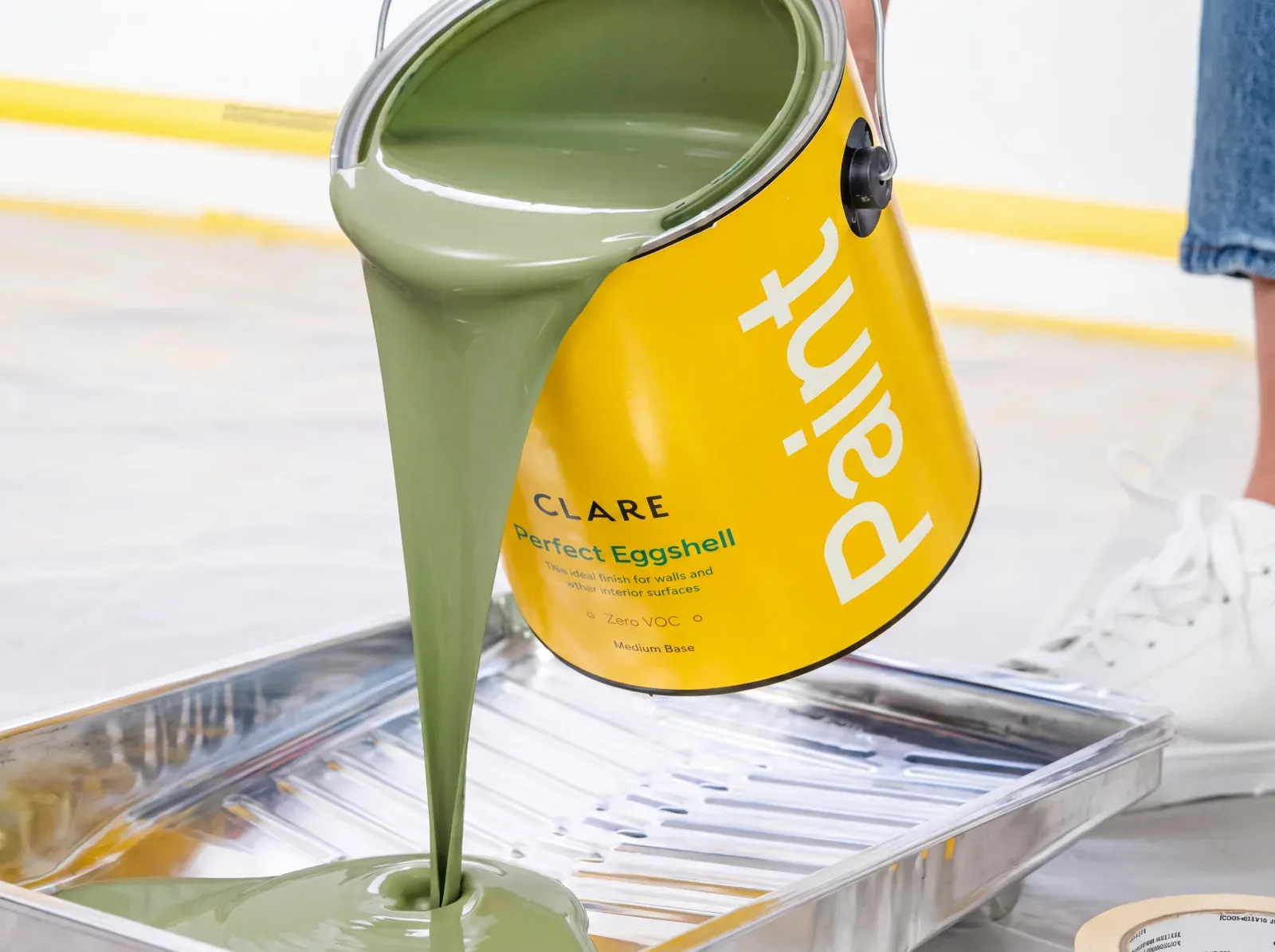
Paint and primer. Covers every wall and ceiling surface. A zero-VOC base and tint is the easiest, highest-impact switch, often under $50 of premium for a full project.
- 2.
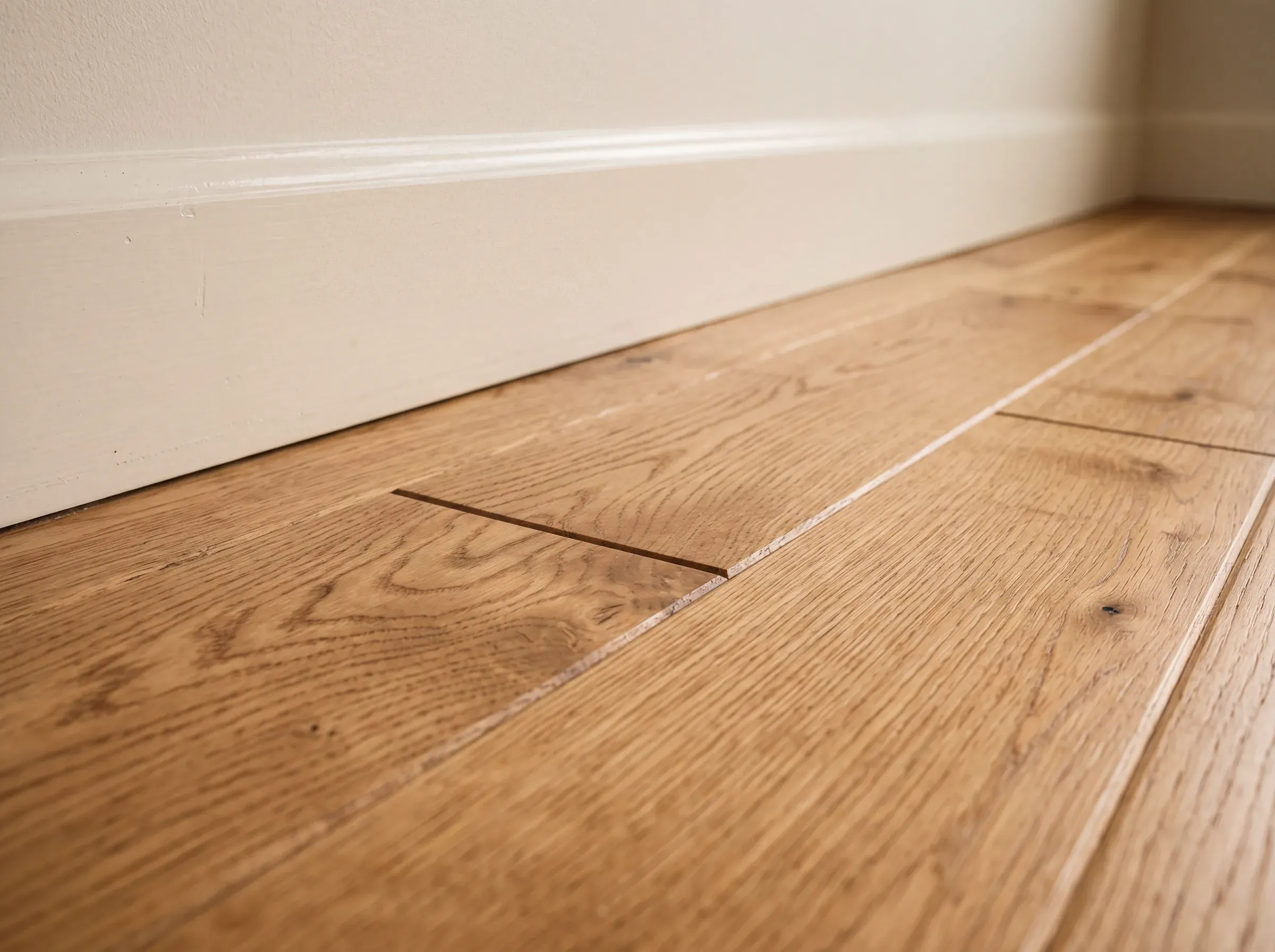
Flooring and adhesives. FloorScore-certified hard flooring and water-based adhesives significantly reduce long-term off-gassing in living spaces.
- 3.
Cabinetry. CARB Phase 2 compliant panels and water-based finish systems, offered as standard or minimal upcharge by most quality manufacturers.
- 4.
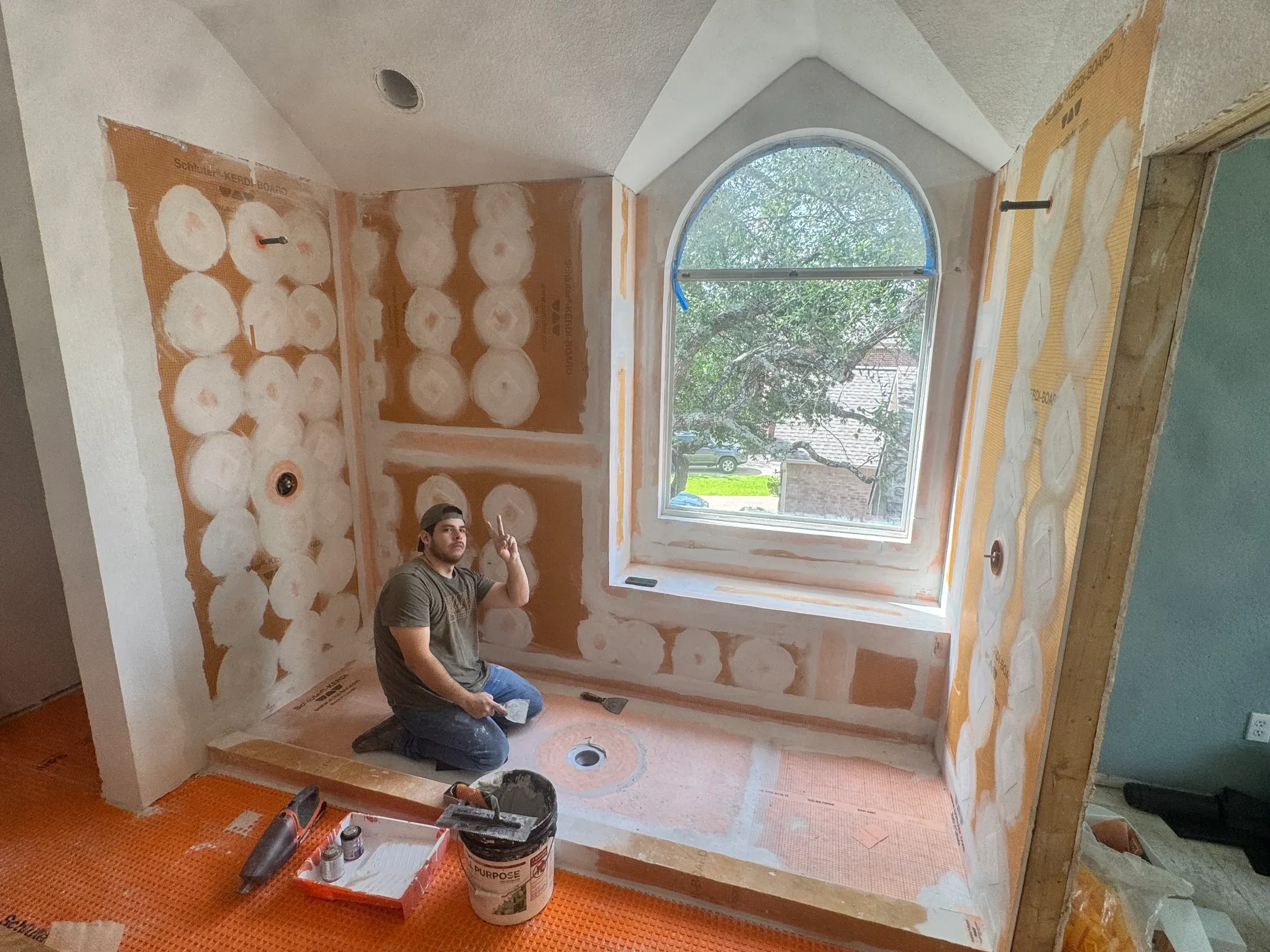
Sealants and grout. Water-based alternatives exist for most applications and are routine for a contractor familiar with non-toxic sourcing.
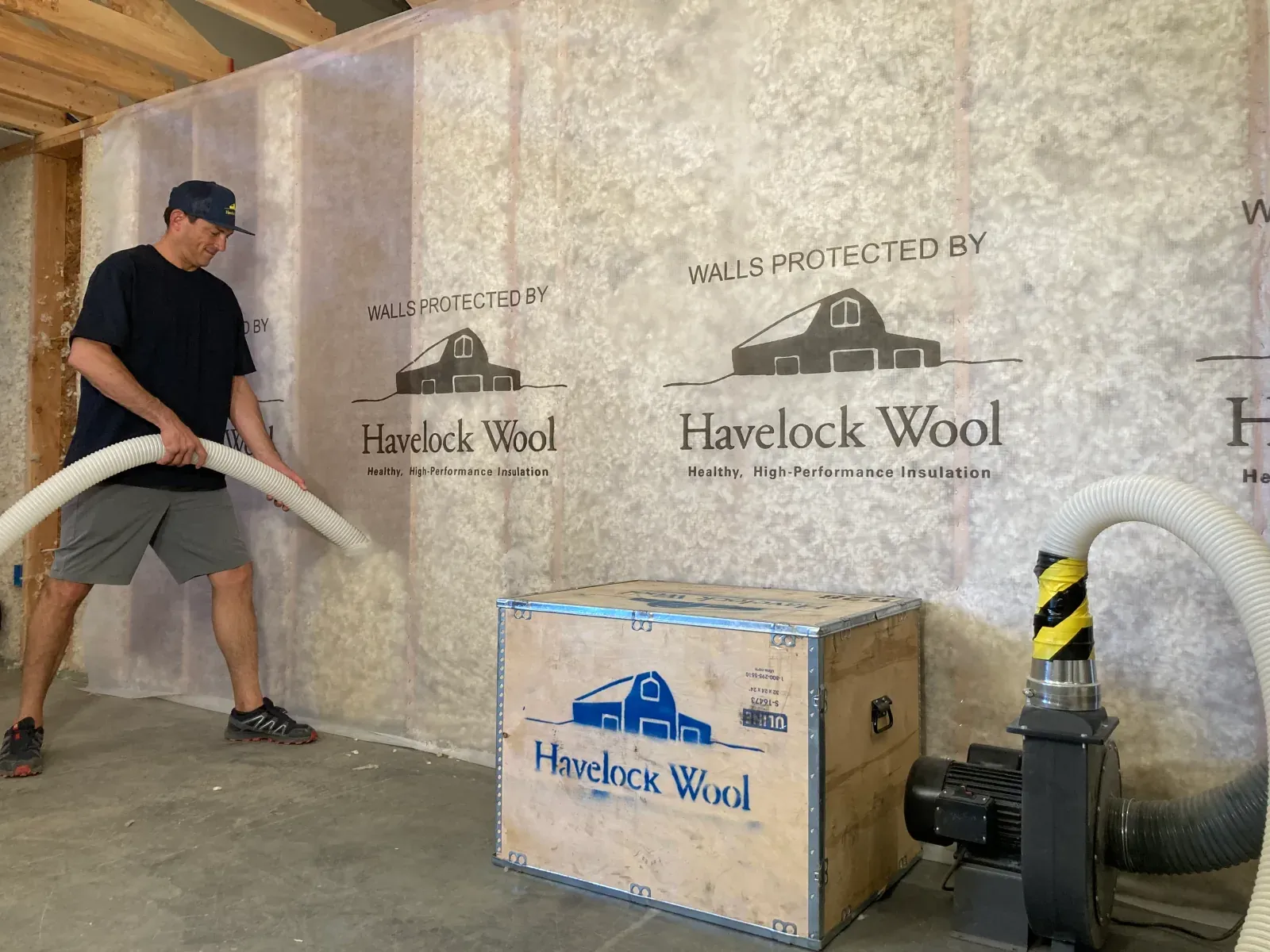
If your project includes insulation work, wool insulation is worth discussing as an alternative to fiberglass or spray foam. It manages moisture differently, which matters in Austin's climate, and carries no off-gassing concern during or after installation.

Curious what a healthier remodel actually costs?
Low-VOC upgrades add less than most homeowners expect. Material priorities get worked into the design from the first conversation.
What should you ask your contractor about VOCs?
Most remodeling contractors are not trained in material health specifications. That is not a criticism, it reflects how the industry has worked: cost and aesthetics drive selection, and VOC content is rarely on the checklist. If it matters to you, these questions move the conversation forward.
Which paints and primers do you use by default, and what is their VOC content? A contractor with experience here answers specifically, not just "we can use low-VOC if you want."
How do you specify flooring adhesives and sealants? These are the overlooked layer. Water-based alternatives exist for most applications.
Can you show me certification documentation for the cabinetry? CARB Phase 2 compliance should be verifiable from the manufacturer's spec sheet.
When do material selections happen? If decisions happen during construction, there is little time to source certified alternatives. In Enso's process every product is specified before demo begins.
At Enso, the design phase produces a complete material specification before construction starts. Certifications, VOC content, and off-gassing data sit alongside standard product specs, so every choice is visible before the first wall opens. We bring the options, you make the call. See how we approach healthy home remodeling in Austin more broadly.
Leftover questions
It depends on the product and ventilation. Most conventional paints off-gas heavily for the first 48 to 72 hours, then continue at lower levels for weeks to months. Flooring adhesives and sealants can off-gas for six months to two years. Zero-VOC products reduce this significantly, though a zero-VOC base can still carry VOCs in the tint if the tint system is conventional.
Have questions about what this means for your home?
The initial consultation is where material priorities get worked into the design. You'll leave with real next steps, whether or not we build together.