What to Ask a Remodeling Contractor Before You Hire Them
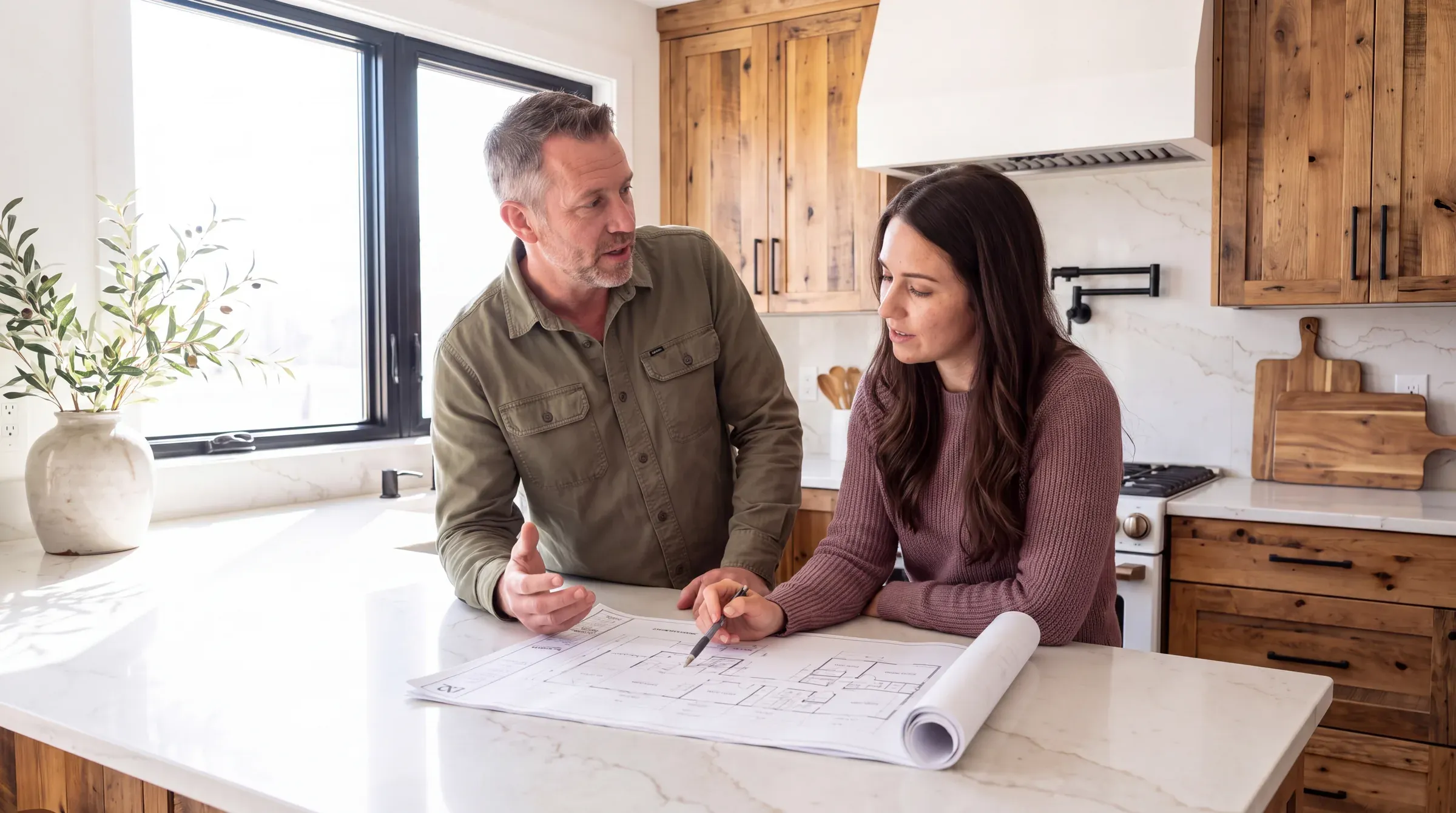
Hiring a remodeling contractor is, for most people, the largest discretionary purchase they'll make in a decade. And yet the typical hiring process involves looking at a few websites, getting two or three quotes, and deciding on price and gut instinct. The questions that would actually tell you something, about how a contractor communicates, handles surprises, and protects your home, rarely come up.
This guide covers twelve questions worth asking before you sign anything. A contractor who has built real systems around their work will answer them confidently and with specifics. One who deflects, hedges, or gets defensive is also telling you something. If you want to see how Enso answers them, the process page covers every phase in detail.
Design and planning
These questions separate design-first contractors from construction-first ones. If you don't clarify how much planning happens before demo begins, you're handing over control before you've made your most important decisions.
What does your design process look like before construction begins?
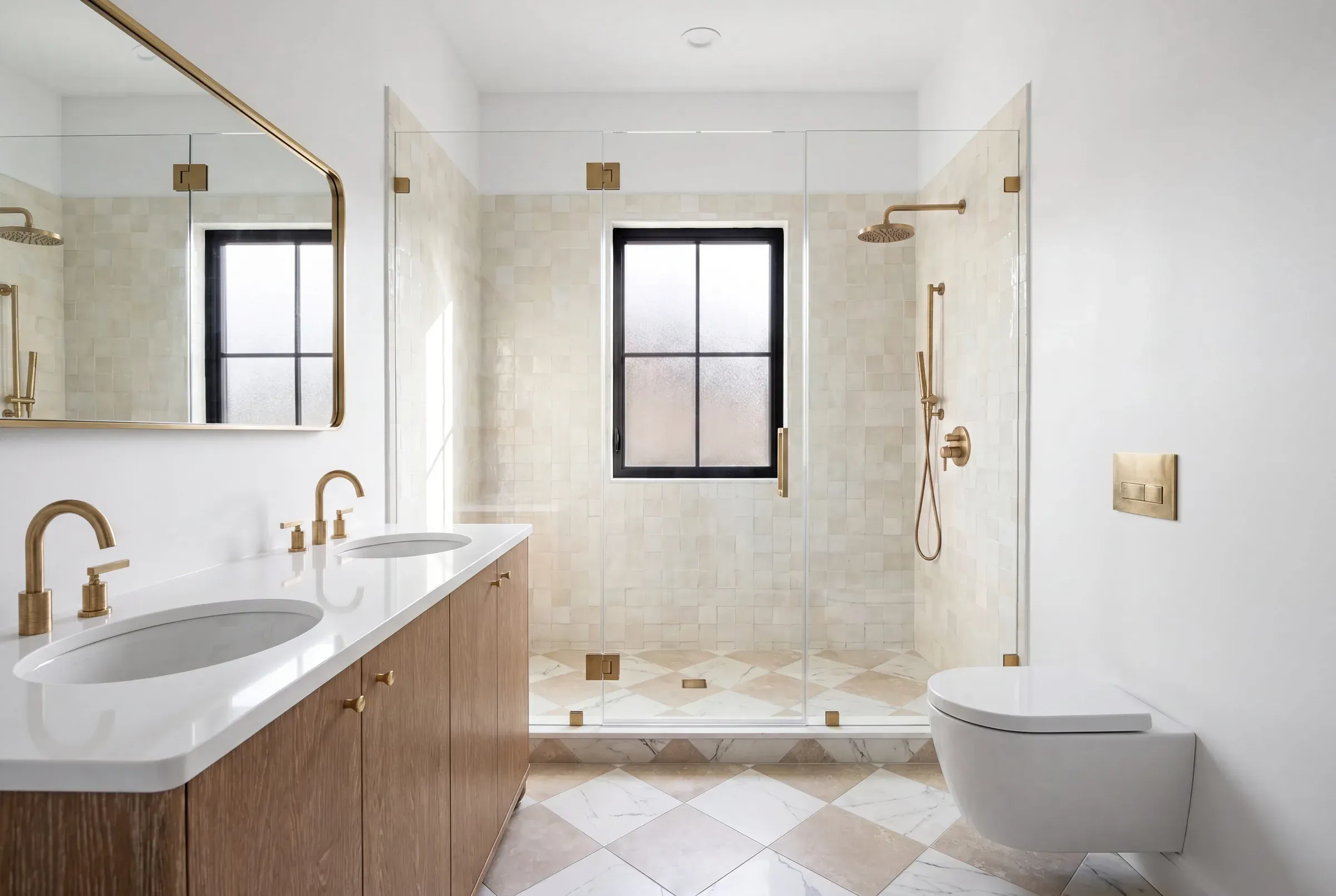
A contractor equipped for a high-quality remodel should be able to describe a specific, structured design phase: renderings, floor plans, material selections, and a full project cost, delivered before a single wall is touched. The word "renderings" matters here. Verbal descriptions and mood boards are not enough when you're making a six-figure decision. You should be able to see your kitchen before demo day arrives.
Any version of "we'll figure it out as we go" is the most reliable predictor of a difficult project. Changes made during construction cost three to five times more than changes made on paper, which means an absent design phase doesn't save time. It just moves the cost somewhere less visible.
Will I see a full cost breakdown before anything starts, and will it change?
The answer should be yes on both counts: yes to the full breakdown, and yes to an honest explanation of what can legitimately cause a change order. Unforeseen structural conditions when walls open are real; client-initiated scope changes are real. A contractor who promises zero change orders categorically isn't being straight with you. One who distinguishes between contractor-caused surprises and client-caused ones, and takes clear responsibility for the former, is.
What to watch for: a vague initial estimate paired with an explanation that the real price gets clearer once work starts. This is sometimes called buying the job, pricing low to win the bid and recovering margin through change orders once you're committed. It's one of the most common sources of budget overruns in residential remodeling, and one of the easiest to catch if you ask directly before signing.
That multiplier is the quiet argument behind every question in this section. The cheapest time to make a decision is before anyone is standing in your kitchen with a sledgehammer, and a price that is fixed at the end of design is the proof that the decisions actually got made.
How do you handle material selection, and who sources it?
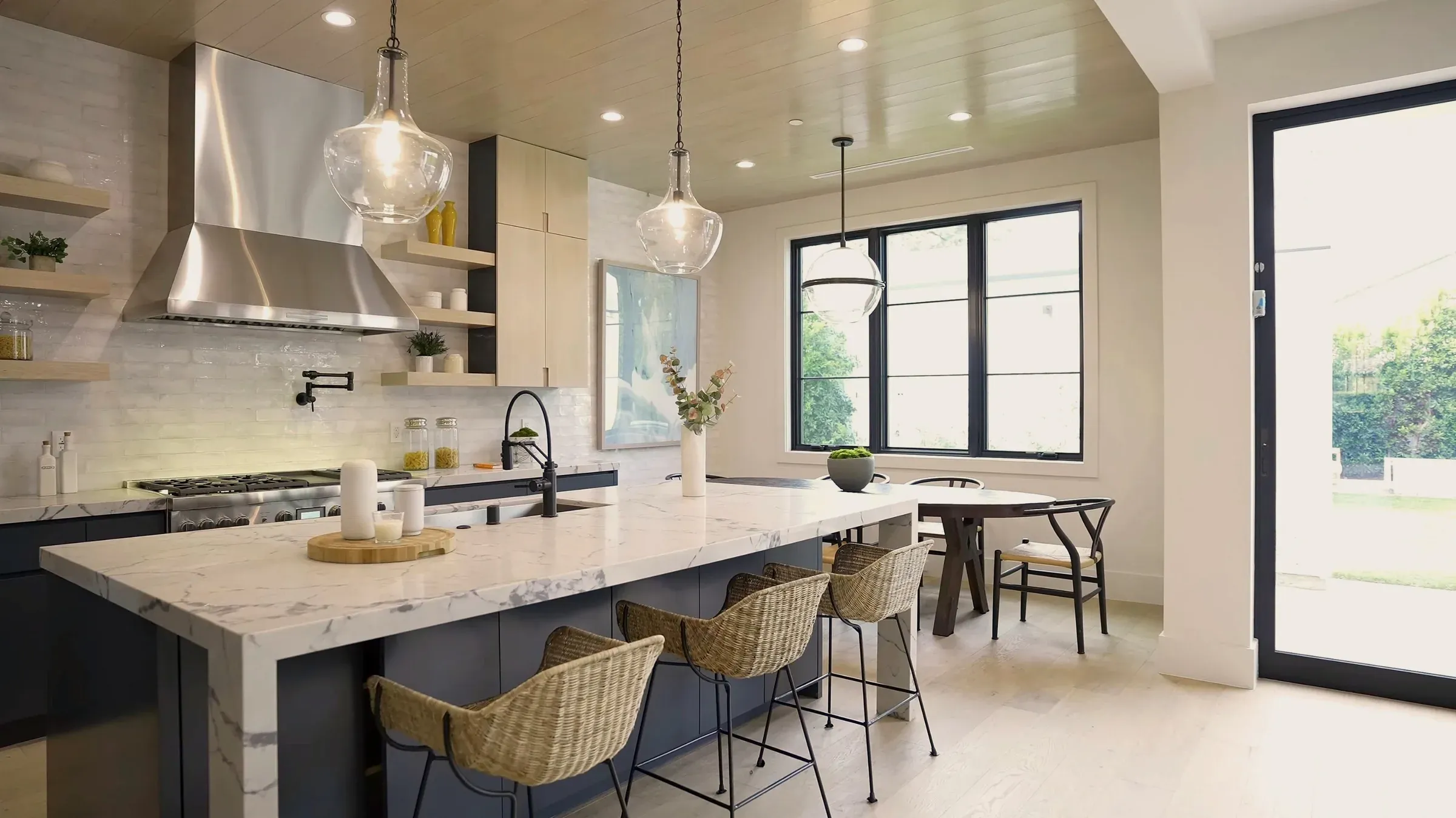
A well-run design process produces a complete material specification before construction begins: curated options within your budget, confirmed lead times, and a procurement plan. Material delays are one of the most common causes of timeline overruns, and a contractor who hasn't confirmed delivery dates before demo starts is managing that risk reactively.
"You handle the materials and we'll install them" shifts both the sourcing burden and the timeline risk to you, someone who has never navigated trade-only vendors or job-site delivery logistics. It also gives the contractor a clean exit when something arrives damaged or late. It's worth knowing upfront whether procurement is their responsibility or yours.

Communication and transparency
The way a contractor communicates before you sign is usually the way they communicate during the project. Ask these questions directly, and pay attention to whether the answers describe a system or a personality. Three things you're listening for:
Each of those signals has a question that puts it under a light. The three below are worth asking word for word, because the vague versions of their answers sound reassuring in the moment and cost you weeks later.
How will I know what's happening in my home every day?
The best contractors build communication into their process as a standard practice: a daily log, an end-of-day summary, or a project update that reaches you without requiring you to follow up. That structure exists because they decided it should, not because a client asked nicely.
"You can always call me" is a different kind of answer. It puts the burden of staying informed entirely on you, which means you'll spend weeks wondering whether to follow up, and feeling awkward when you do. It also signals that no system exists; there's just a phone number. That gap tends to show up in other places too.
Will I have a single point of contact, and can I reach them directly?
One specific person, with a name, a role, and a direct cell number. Someone who owns your project from design through punch list: not a general inbox, not a coordinator who "handles communication," not whoever is on site that day. In a complex remodel, decisions need to happen quickly. A communication bottleneck costs time, and it usually costs money alongside it.
Can I see the full project timeline before construction starts?
A Gantt chart, or an equivalent document that maps every phase, every trade, and every key milestone, is how a contractor proves they've actually planned your project rather than estimated it. A good timeline shows you when the countertops are scheduled to arrive before demolition has even started. That level of specificity is only possible if someone has coordinated the schedule in advance.
If the answer is "we'll keep you posted as we go," that's not a project management approach. It's a reaction strategy. A contractor who hasn't mapped the project before construction starts won't be able to explain delays when they happen, only apologize for them.

Job site and home protection
You'll be living adjacent to a construction zone for weeks or months. These questions reveal whether a contractor has thought seriously about what that experience is like for the people in the house, or whether livability is an afterthought.
How do you protect the rest of my home from dust and debris?
Specific containment practices are standard at the higher end of the market, not optional upgrades: zipwall barriers, HEPA air filtration, and plastic sheeting that seals the work zone before demo begins. Ask whether these are built into every project or available on request. On every Enso project, HEPA filtration and full containment are in place from day one, which matters most in homes with children, pets, or anyone with respiratory sensitivities.
Construction dust from drywall, older materials, and demo work travels. It gets into HVAC systems, surfaces, and rooms throughout a home if containment isn't active before demolition begins. A vague "we'll keep things as clean as possible" is not an answer to this question. It's an indication that containment hasn't been systematized.
Who will be in my home, and how do you screen subcontractors?
Ask which trades are in-house versus subcontracted, how long the contractor has worked with their regular subs, and whether a site supervisor is present whenever workers are on your property. Long-term trade relationships matter: a contractor who has worked with the same tile setter and electrician for years has meaningfully less coordination risk than one who assembles a crew project by project. The consistency of the people usually shows up in the consistency of the work, which you can verify by browsing completed projects.
Every question here has a direct answer
Daily logs, a named point of contact, a full timeline before demo, and a fixed price at the end of design. Ask us all twelve.
Permits, materials, and accountability
Do you handle permits, and what does your Austin experience look like?
A straightforward yes should be the baseline, ideally paired with specific experience navigating Austin's Development Services Department, which has its own review timelines and requirements. Whatever a contractor tells you, permits are required for:
An unpermitted project can affect your insurance coverage, your ability to sell the home, and your liability if something fails years later. "It's not really required for this scope" or "we can skip permits to save you time" is the most legally and financially dangerous offer a contractor can make. The short-term savings are not worth it under any circumstances.
What materials do you use by default, and can I request alternatives?
A contractor who has thought carefully about materials should be able to name what goes behind the walls and explain why. "Standard materials" is not a specific answer. Ask about:
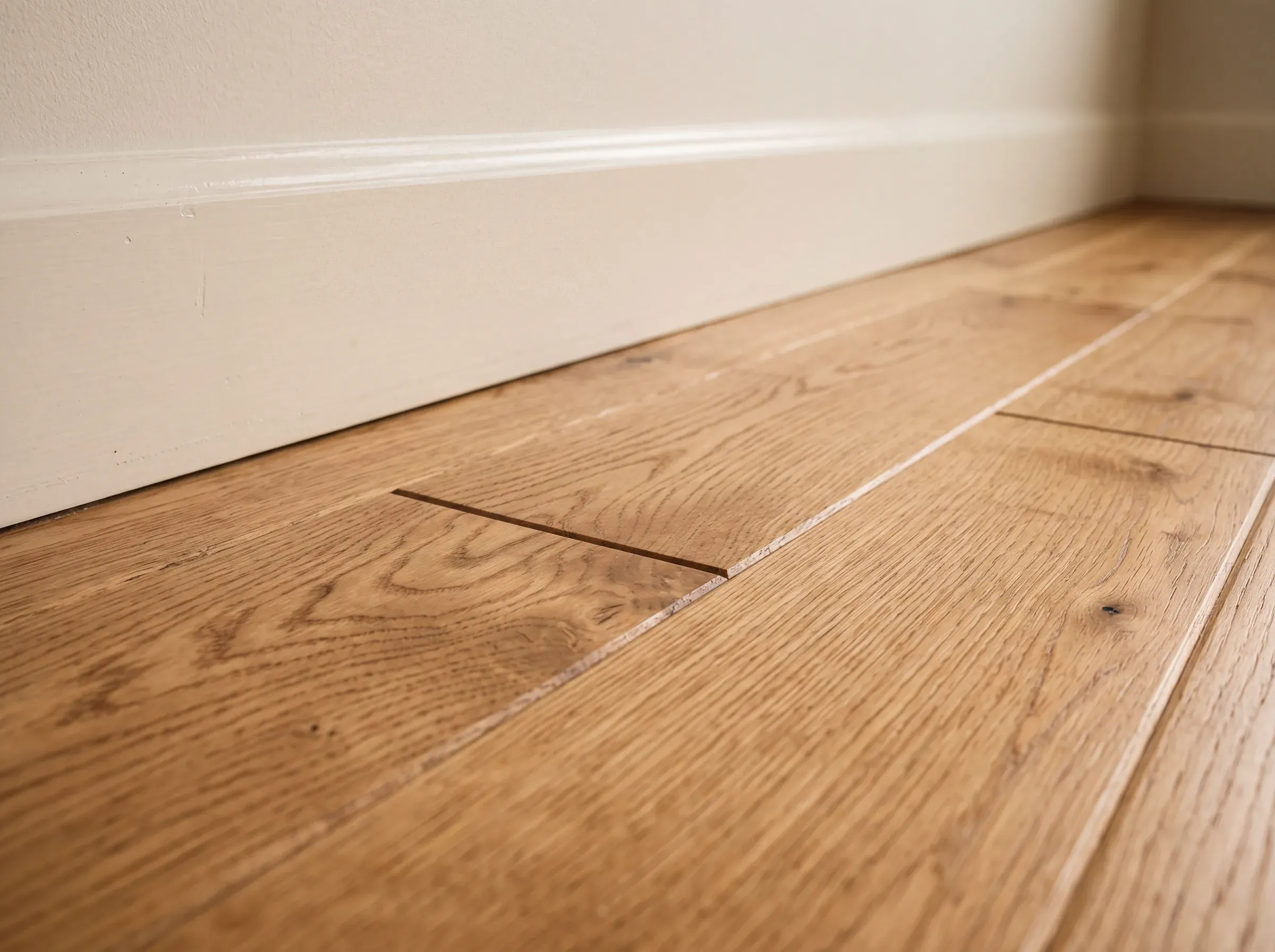
What's behind the wall determines how a renovation performs in five, ten, and fifteen years. If healthy home options matter to you, low-VOC finishes, mold-resistant substrates, or wool insulation, a well-equipped contractor should present those specifications with certifications and test data during the design phase, not as an afterthought mid-construction. The material conversation should happen before demo, not during it.
Can I speak to past clients, and can I visit a completed project?
A confident yes, with actual names, not just a link to Google reviews. When you speak with references, ask three specific questions:
How did communication work?
Did updates arrive on their own, or did you have to follow up?
How were surprises handled?
When something unexpected came up, how was it communicated and resolved?
Would you hire them again?
A hesitation here tells you more than the answer.
Those three questions reveal far more than a five-star average, which measures the finished result, not the process. You can also read full project stories that cover scope, approach, and materials from start to finish.
What's your warranty, and what happens if something fails after completion?
A written warranty with specific coverage and a clear claims process is the minimum. What separates a good contractor from a great one is a scheduled follow-up after project completion, typically three months in, when seasonal shifts and daily use have had time to surface anything that needs attention. A contractor who builds that visit into their process isn't doing you a favor; they're being accountable to their own standards. Ask specifically whether the warranty covers labor as well as materials, since those can be treated very differently.
How to use this list
You don't need to work through all twelve in a single conversation. Pick the four or five that matter most to you and ask them directly. The specificity and confidence of the answers will tell you more than any portfolio photo.
Below is a quick reference for what a good answer looks like, and what a deflection usually sounds like.
| The question | A good answer | What to watch for |
|---|---|---|
| What does your design process look like before construction? | Renderings, floor plans, full cost, before demo day | "We figure it out as we go" |
| Will I see a full cost breakdown before anything starts? | Yes, fixed after design; change orders defined and owned | Vague estimate that "clarifies once we start" |
| How do you handle material sourcing? | Complete spec with confirmed lead times, procured by contractor | "You can source, we'll install" |
| How will I know what's happening in my home each day? | Daily written log delivered without chasing | "You can always call me" |
| Will I have a single point of contact? | Named person, direct cell, owns project start to finish | General inbox or rotating contacts |
| Can I see a full timeline before construction starts? | Gantt chart: every trade, phase, and milestone mapped | "We'll keep you posted as we go" |
| How do you protect my home from dust and debris? | HEPA filtration and containment in place before demo | "We'll keep things as clean as possible" |
| Who will be in my home, and how do you screen subs? | Long-term trade relationships; supervisor always present | Assembles crews project by project |
| Do you handle permits? | Yes, full permit management with Austin DSD experience | "Not really required for this scope" |
| What goes behind the walls by default? | Named substrates, waterproofing, insulation, with reasoning | "Standard materials" |
| Can I speak with past clients? | Actual names; references speak to process, not just outcome | Only a Google review link |
| What does your warranty cover? | Written, covers labor and materials; scheduled 3-month follow-up | Verbal-only or materials-only |
Tone lives in the header colors only. The middle column describes systems; the right column quotes the deflections we hear most often.
The contractors who answer these questions well have built systems around them. They've already thought through the scenarios you're worried about and created practices to address them before you asked. That infrastructure, the process behind the project, is what you're actually buying when you hire a remodeling company at this level.
If you want to see how Enso answers any of these specifically, the process page covers each phase in detail: what we commit to in writing, and when. You can also run the cost calculator to get a realistic investment range first, or schedule a consultation and ask your first five directly.
Leftover questions
The twelve questions above are the article. These are the side questions homeowners ask us once the list is in hand.
Ask for references and speak with them specifically about the process, not just the finished result. A trustworthy contractor provides a complete cost breakdown before construction, explains how change orders are handled, gives you a named point of contact with a direct number, and backs their work with a written warranty. Anyone who deflects these questions consistently is worth approaching with caution.
Ready to ask us these questions?
Bring your first five to a 15-minute video call. You'll leave with real next steps, whether or not we build together.